
The Ultimate Guide to the City’s Charming Tourist Train
Ifrane is a city that demands to be seen slowly. Often called the “Little Switzerland of Morocco,” this alpine gem in the Middle Atlas Mountains is a masterclass in urban planning, European-inspired architecture, and botanical beauty. While wandering the streets on foot is a delight, there is one experience that captures the nostalgic, fairytale essence of the town perfectly: The Ifrane Tourist Train.
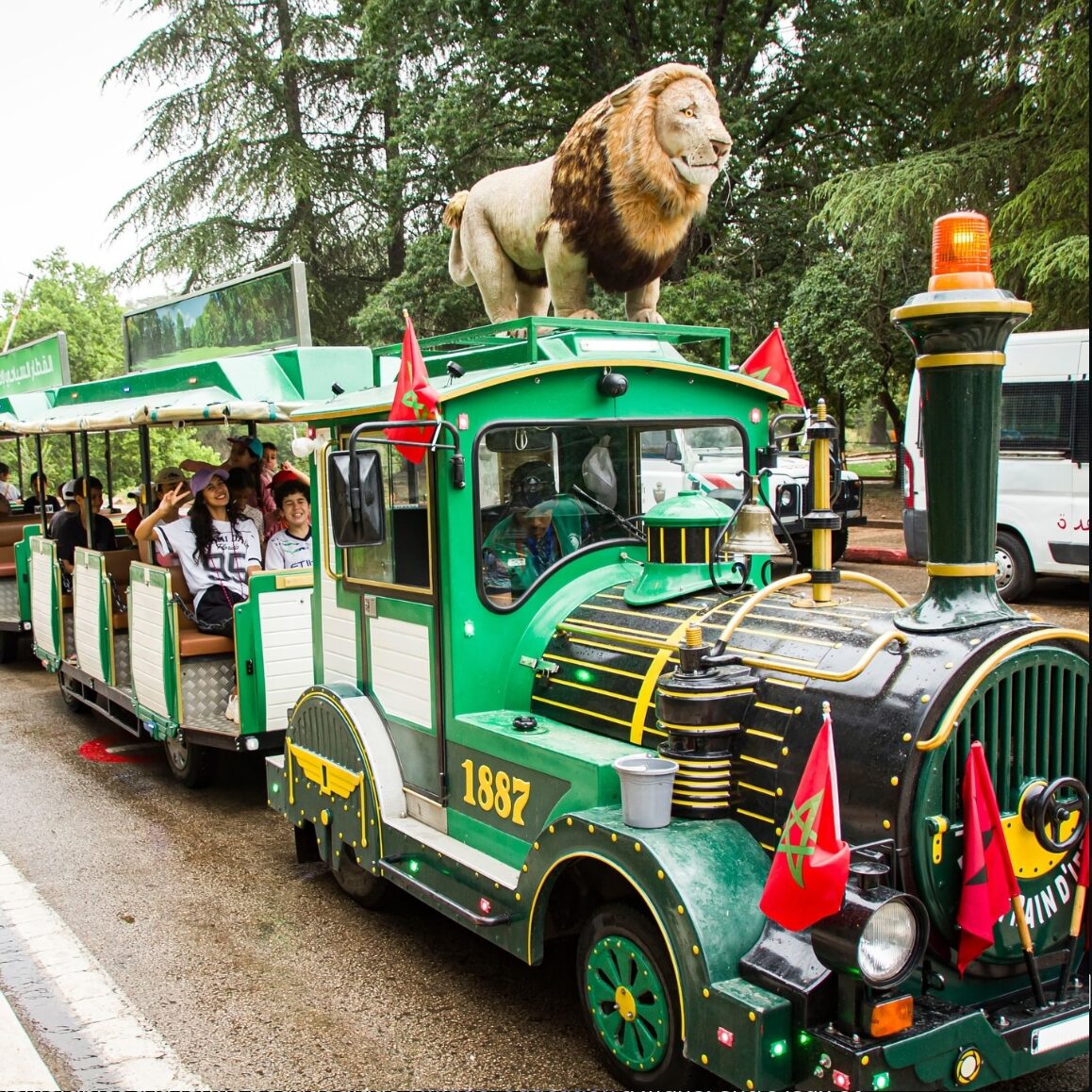
Known locally as the “Petit Train,” this bright, cheerful convoy offers visitors a front-row seat to the city’s most iconic landmarks, hidden parks, and red-tiled chalets. Whether you are visiting for a weekend of snow or a summer escape from the heat, the tourist train is the best way to discover why Ifrane remains Morocco’s most unique destination.
In this comprehensive guide, we will explore everything you need to know about riding the tourist train, the sights you will see, and how to make the most of your journey through the “Little Switzerland.”
Why the Tourist Train is an Ifrane Essential
Wide avenues, impeccably manicured gardens, and strict architectural codes define the character of Ifrane. Because the city is spread out to accommodate its many parks and the prestigious Al Akhawayn University campus, seeing everything on foot can be exhausting—especially during the snowy winter months or the high-altitude summer sun.
The tourist train solves this by offering a relaxed, narrated loop (often accompanied by music or local guides) that connects the dots between the city’s landmarks. It is an experience that appeals to every type of traveler:
- Families: Children love the novelty of the train, making it a stress-free way to sightsee without tired legs.
- Photographers: The open-air cars provide unobstructed views of the cedar trees and sloped roofs.
- First-Time Visitors: It provides an excellent layout of the city, helping you decide which parks or cafes you want to return to later.
Where to Begin Your Journey: Departure Point
The journey typically begins in the most vibrant part of the city. You can find the Departure for the Petit Train located near the central plaza, often close to the famous Stone Lion (Le Lion d’Ifrane).
- Location: The main station is situated near the Post Office and the central park area. You will easily spot the train’s colorful carriages waiting for passengers.
- Availability: The train generally runs throughout the day, with increased frequency during weekends and school holidays.
- Booking: There is no need for advanced online booking. Simply head to the departure point, purchase your ticket from the conductor, and hop on the next available car.
What You’ll See: Highlights of the Tour
The tourist train route is carefully designed to showcase the “best of Ifrane.” As you sit back and enjoy the mountain breeze, here are the landmarks you can expect to pass:
1. The Iconic Stone Lion
No trip to Ifrane is complete without a nod to the Stone Lion. Sculpted by a German soldier during World War II, this monument is the city’s heart. The train often starts or passes very close to this landmark, giving you a great vantage point for photos before the crowds arrive.
2. The Royal Palace & Residential Chalets
Ifrane is famous for its “Swiss” look—sharp, sloped roofs designed to shed the heavy winter snow. The train winds through residential neighborhoods where you can admire the beautiful villa architecture. You will also pass the perimeter of the Royal Palace, known for its grand entrance and perfectly trimmed greenery.
3. Al Akhawayn University Campus
The train often skirts the edges of Al Akhawayn, Morocco’s premier English-language university. The campus architecture is stunning, mimicking the rest of the city’s alpine aesthetic, and the train ride offers a glimpse into the scholarly life of the Middle Atlas.
4. Parc la Prairie and City Gardens
Locals often call Ifrane a ‘City within a Forest. The train takes you alongside lush parks like Parc la Prairie. Cedar, oak, and plane trees fill these lush areas. Depending on the season, you might see the vibrant orange of autumn leaves or the deep, cool greens of a Moroccan summer.
Seasonal Magic: When to Ride
- Winter (December – February): Ifrane transforms into a winter wonderland. Riding the train while the chalets are covered in thick blankets of snow is like being inside a Christmas card. Be sure to dress warmly, as the open-air cars can get chilly!
- Spring (March – May): This is when the city’s famous flowers bloom. The gardens are vibrant, and the air is filled with the scent of pine and blossoms.
- Summer (June – August): While the rest of Morocco swelters, Ifrane remains cool. The train is a refreshing way to enjoy the breeze and the shade of the ancient cedar forests.
Pro-Tips for the Best Experience
To ensure your ride on the Ifrane tourist train is perfect, keep these tips in mind:
- Bring a Camera: The train moves at a leisurely pace, which is perfect for snapping photos of the red roofs and mountain scenery.
- Afternoon Rides: Late afternoon is a magical time for the train. The “golden hour” light through the cedar trees makes the city look even more enchanting.
- Combine with a Visit to “For You” Restaurant: Many visitors like to take the train loop and then head to the city center for a meal. After seeing the sights, a stop at For You Restaurant Ifrane for some fusion sushi or a hearty burger is the perfect way to end the day.
- Ask the Conductor: The operators are often locals who know the history of every building. Don’t be afraid to ask about the landmarks you are passing!
The Verdict: Is it Worth It?
If you want to truly discover Ifrane and its beauty in a short amount of time, the tourist train is a must. It captures the slow-paced, elegant lifestyle of the city. It isn’t just a mode of transport; it is a moving viewpoint that helps you appreciate the incredible urban design that makes Ifrane the “Little Switzerland” of the world.
Next time you find yourself in the Middle Atlas, head to the central plaza, listen for the whistle of the Petit Train, and prepare to see Ifrane in a whole new way.